


Ledger semantics
Transactions, categories and plans remain explainable over time.
Introduction
Money products need trust before features. Users must understand what is tracked, why it matters and what remains private.
The interface is calm and decision-focused: less financial noise, more context for the next move.
Features
We framed finance as a private decision system, not another noisy analytics dashboard.
Transactions, categories and plans remain explainable over time.
Users can compare decisions before money moves.
Sensitive data is designed around minimization and clear boundaries.
Financial education appears where it changes the decision.
The system keeps clean domain events and audit context for assisted workflows.
Users see cashflow, commitments and risks together.
Scenario cards make long-term consequences visible.
Learning and decisions stay connected to real financial behavior.
Challenges
Budgets, investments, tax context and learning are usually split between bank apps, sheets and content.
The product had to make sensitive data useful while keeping ownership and boundaries clear.
Transactions, plans and scenarios needed semantics users could trust months later.
Financial context had to support decisions without becoming a bank, broker or advisor.
Budgets, investments, tax context and learning are usually split between bank apps, sheets and content.
Users see cashflow, commitments and risks together.
Scenario cards make long-term consequences visible.
Technology stack
A privacy-first product architecture with financial ledgers, planning modules, analytics and future integrations isolated by clear domain boundaries.
Preview
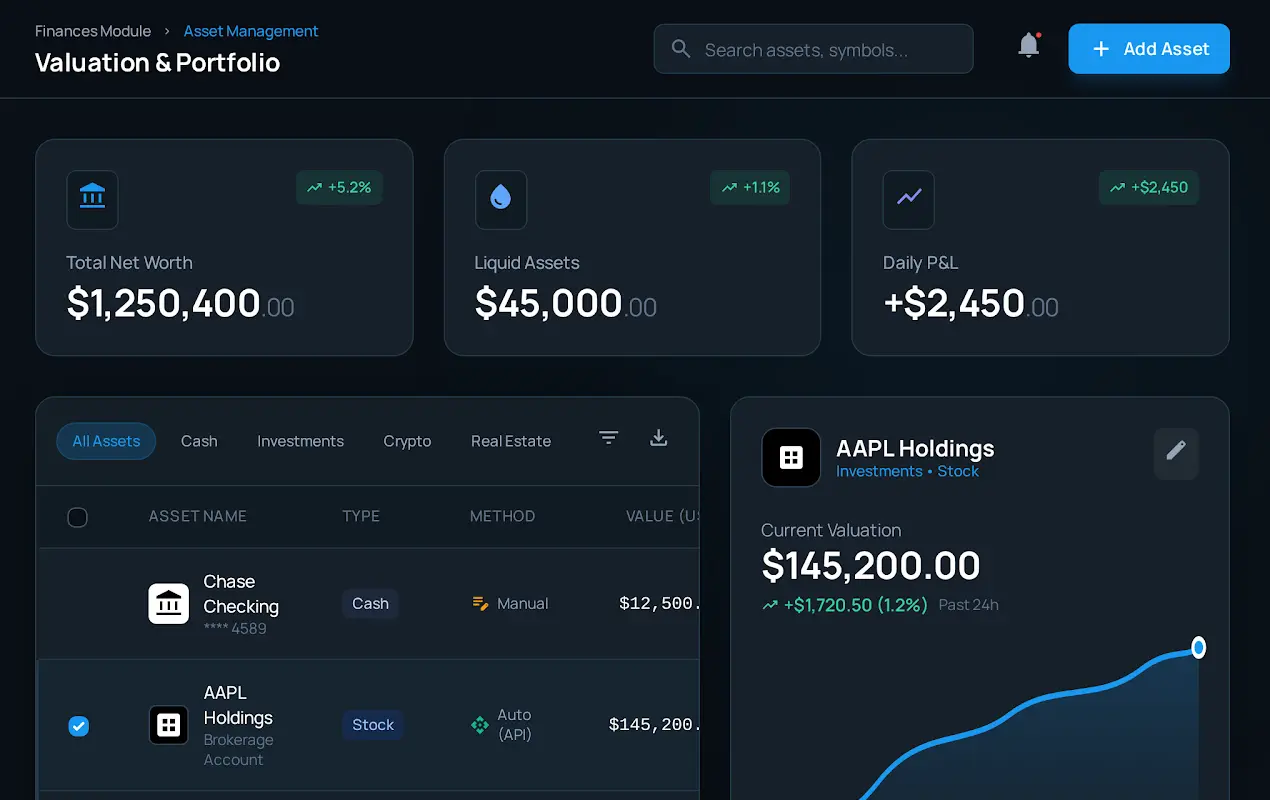
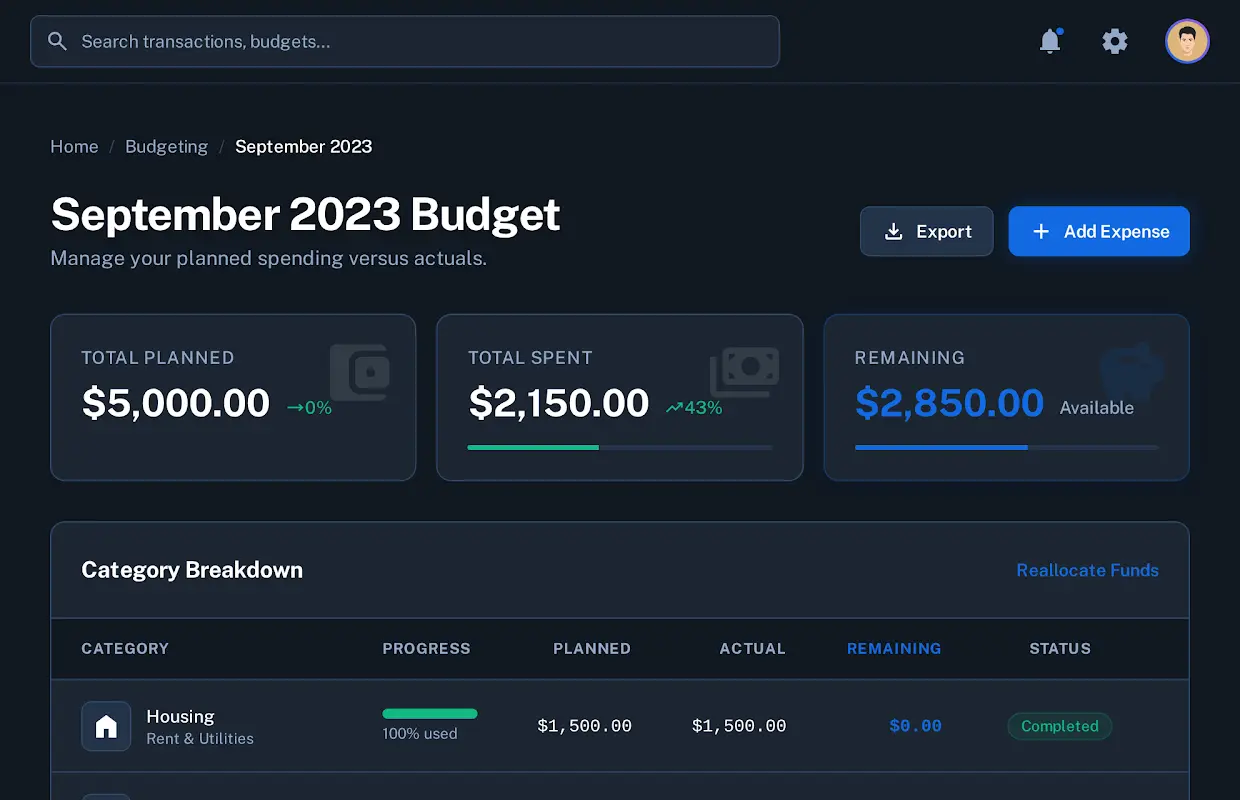
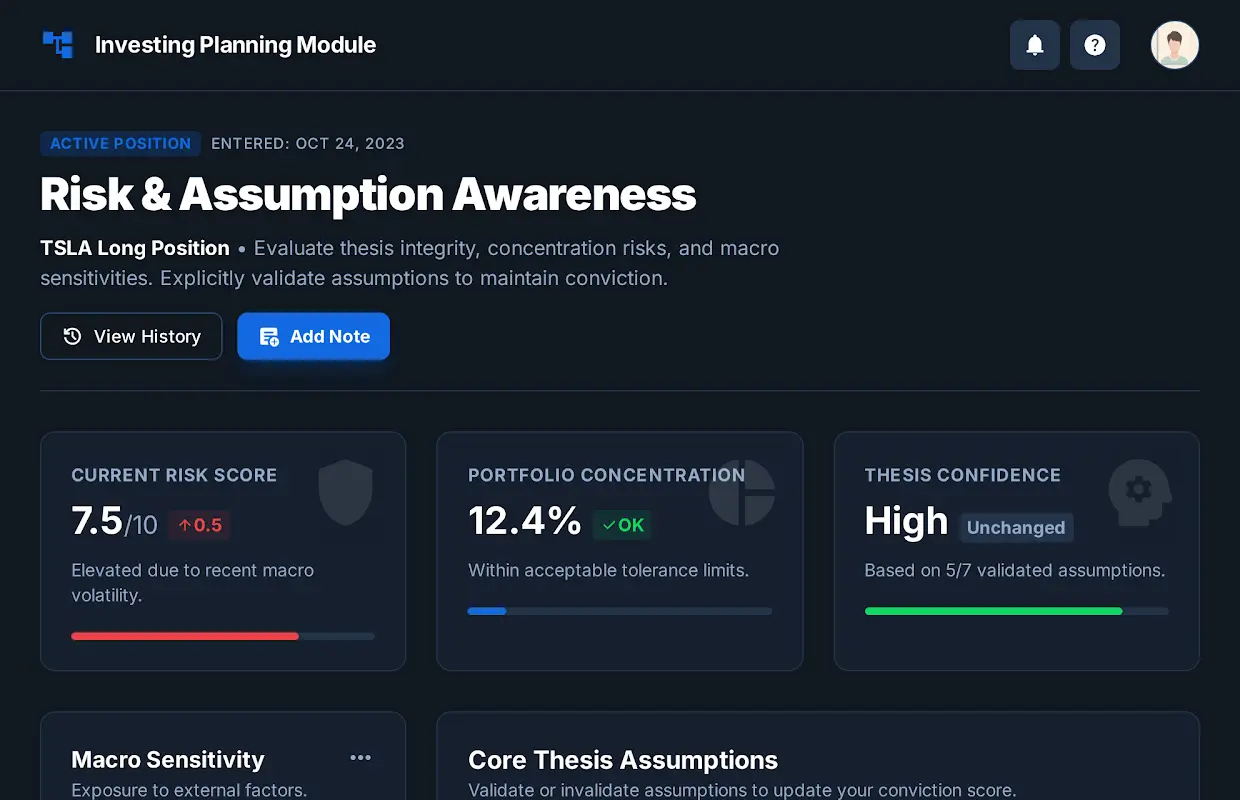
Selected product screens showing information architecture, UX decisions and real system surfaces.
Japonics
Banka is a craft study in sensitive product design and domain clarity.