


Training intelligence
Plans, execution and history connect to fatigue and progression.
Introduction
Fitness tools are strong in single categories but weak at explaining readiness, risk and progress across the whole person.
The UX must serve a gym user during a set, a coach reviewing clients and an organization reading aggregate health operations.
Features
We designed Taiiku as a decision platform: data leads to coaching, adjustment and safer progression.
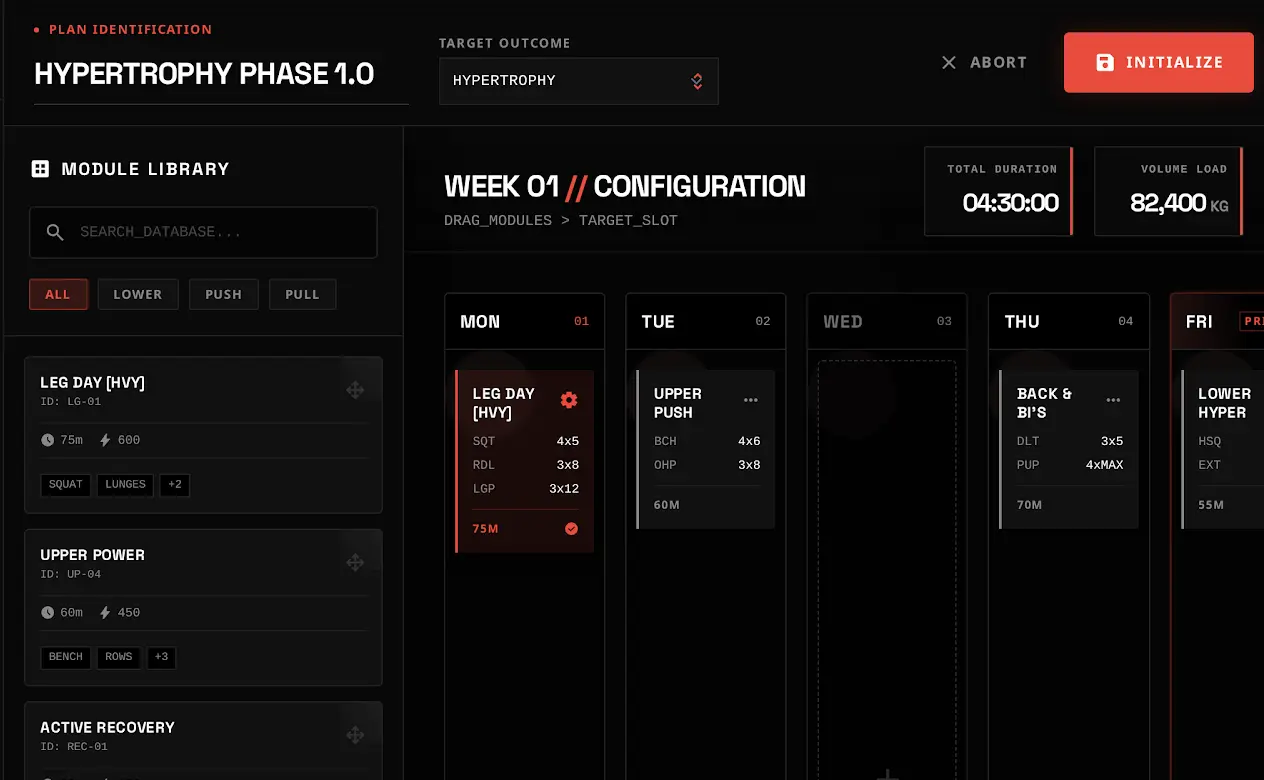
Plans, execution and history connect to fatigue and progression.
Food, macros and supplements respond to training and health goals.
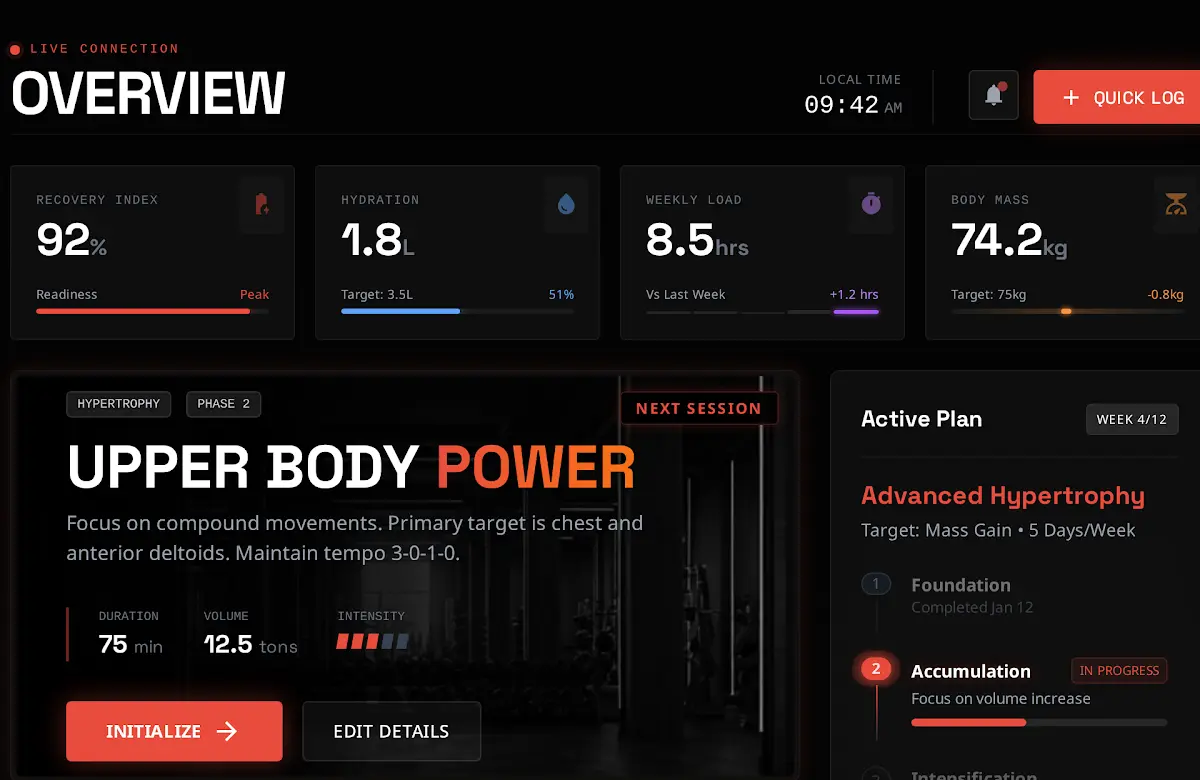
Sleep, HRV and readiness guide intensity decisions.
Professionals see full context only with consent and clear boundaries.
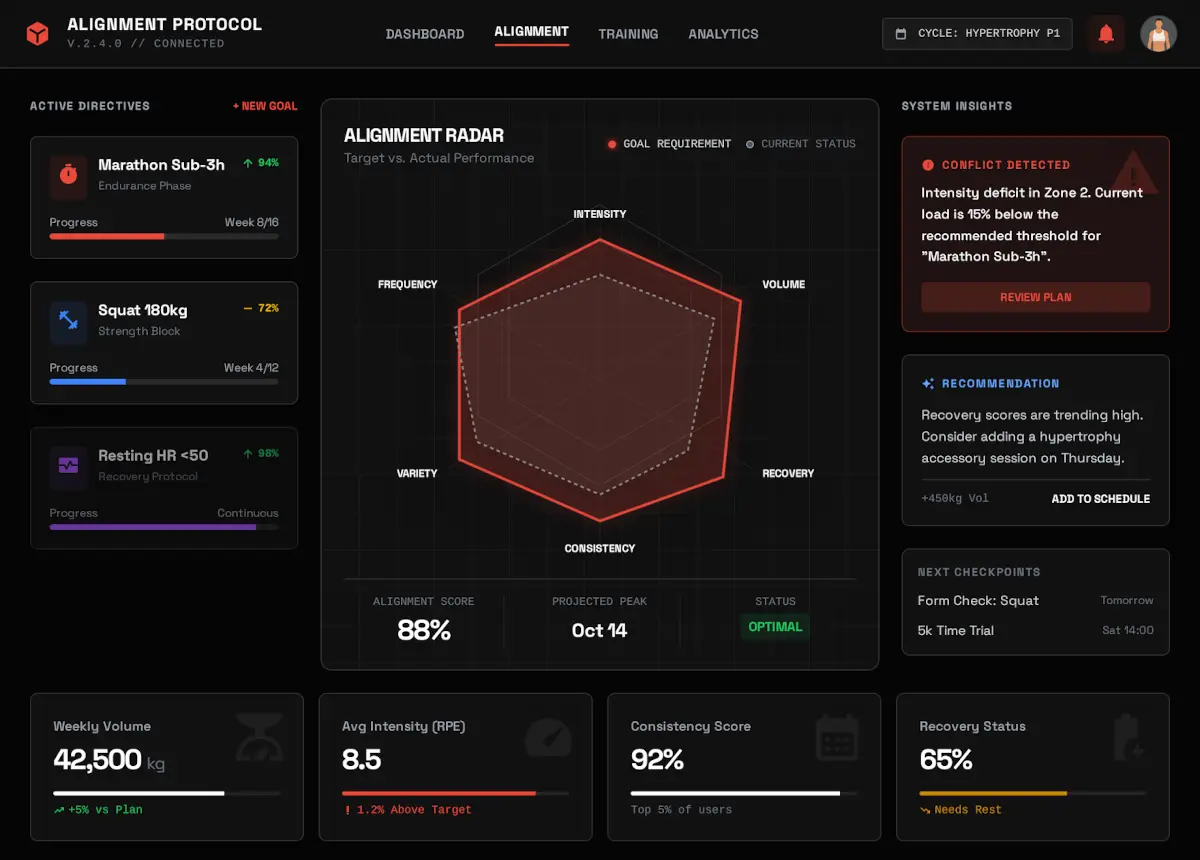
Readiness, load and nutrition context can support recommendations with clear consent boundaries.
The active session is fast, offline-aware and low-friction.
Risk, adherence and recommendations are visible before messaging a client.
Recovery and load tell users when to push and when to adapt.
Challenges
Training, food, sleep, biomarkers and coaching usually live in separate systems.
Coaches and organizations needed context only within clear consent boundaries.
The same platform had to serve a gym user, coach and organization without flattening their workflows.
Training, nutrition and recovery data had to explain readiness instead of producing isolated metrics.
Training, food, sleep, biomarkers and coaching usually live in separate systems.
The active session is fast, offline-aware and low-friction.
Risk, adherence and recommendations are visible before messaging a client.
Technology stack
Taiiku groups training, nutrition, recovery, health, coaching, organizations, education and communication into bounded domains.
Preview
Selected product screens showing information architecture, UX decisions and real system surfaces.
Japonics
Taiiku is a case study in multi-audience platform design and performance data UX.